Up to $6K
The cost of replacing a single restaurant employee, once you factor in recruiting, onboarding, and lost productivity.
QUICK-SERVICE RESTAURANTS · 2026 GUIDE
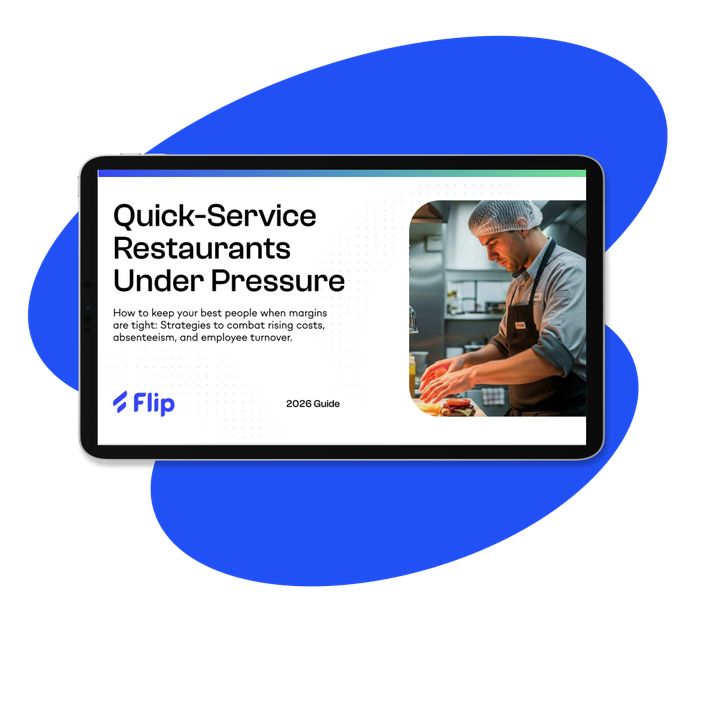
QSR turnover is running high in 2026 and each lost employee costs operators a lot of money. This free guide shows quick-service restaurant operators how to reduce turnover, end burnout, and replace broken communication — using the same mobile-first playbook that KFC and Ben & Jerry's run on Flip.
Inside this guide you will find:
Why burnout has become the QSR baseline — and how to break the cycle before it drains your margins
How communication gaps quietly cost you customers — and what to replace WhatsApp groups and bulletin boards with
The real price of training that doesn't stick — and how to fix it without overhauling your budget
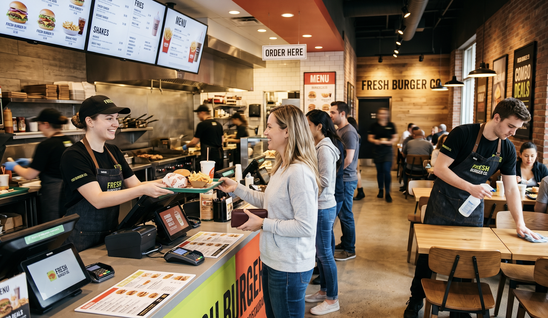
How leading QSR brands like KFC and Ben & Jerry's are using mobile-first tools to cut turnover and run smoother operations
Every resignation avoided is money saved. Every absence prevented is a shift that runs the way it's supposed to. And every employee who stays long enough to become genuinely good at their job? That's a competitive advantage.
In a sector where margins are already wafer-thin, the operators who get this right aren't spending more. They're operating smarter.
In 2026, employee retention is the number-one workforce concern for many restaurant HR leaders — ranking above pay, hiring, and skills gaps. For quick-service restaurant (QSR) operators, the math is brutal: every resignation avoided is money saved, every absence prevented protects a shift, and every employee who stays long enough to get good at their job becomes a competitive advantage.
In a sector where margins are already wafer-thin, the operators winning aren't spending more — they're operating smarter , with mobile-first tools that connect every shift, every store, and every crew member.
The cost of replacing a single restaurant employee, once you factor in recruiting, onboarding, and lost productivity.
of QSR operators say they have job openings that are difficult to fill.
drop in attrition for companies with high employee engagement
Guide Overview
Burnout isn't a bad week — it's the baseline . 66% of US employees reported being burned out in 2025 , and in QSR, that stress turns fast into sick days and resignations. Disengaged employees are 81% more likely to call in sick and deliver up to 18% lower sales. Tackling burnout is one of the fastest ways to protect your margins.
Too many teams still run on paper schedules, bulletin boards, and WhatsApp groups. Every missed update is a service mistake waiting to happen — and every mistake has a knock-on cost. Poor internal comms means higher turnover, more errors , and slower operations . Strong comms keep revenue flowing.
Less than half of the frontline workforce feel properly trained . 30% say they'd leave because of a lack of career opportunities — and for Gen Z, the problem starts on day one. Operators who digitize training can cut onboarding time by up to 50% and reduce manual effort by 60–70% .
Manual processes — checklists, incident logs, compliance tracking — are slow, error-prone, and eat up manager time. A digital platform can automate up to 40% of these tasks , freeing your team to focus on service, not paperwork.
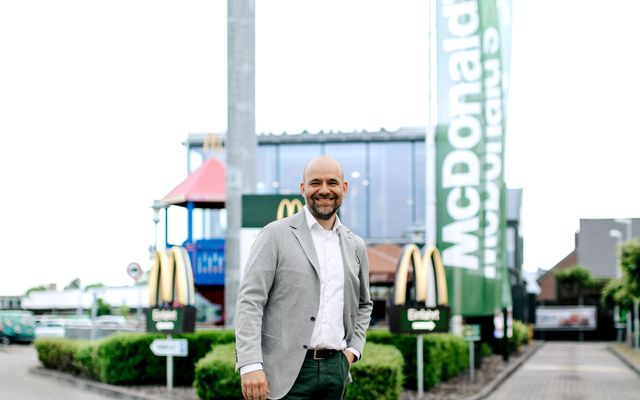
McDonald's Success Story
90% survey response rate at McDonald's Germany
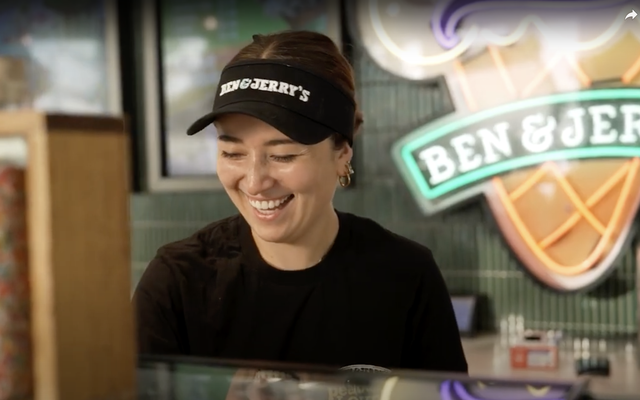
Ben & Jerry's Success Story
70% adoption in three days
KFC Success Story
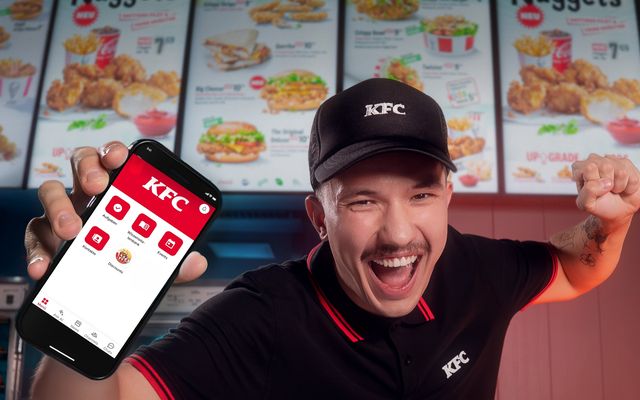
82% of employees rated myKFC 4 stars or higher

'Our team loves how easy Flip is to use – messaging, posting, and staying connected has never been simpler.'

FAQ
QSR turnover is running at roughly 144% per year , the highest of any frontline industry, according to QSR Web. The broader restaurant sector averages 75–80% annually. That means many quick-service operators replace their entire crew more than once a year — making retention, not recruitment, the real lever for profitability.
Replacing a single quick-service restaurant employee costs operators between $3,500 and $6,000 , once recruiting, onboarding, training, and lost productivity are included (Nowsta, 2026). For a 50-person store with 100% annual turnover, that's $300,000+ a year leaking out the back door.
The top three drivers are burnout, poor communication, and lack of career development — especially for Gen Z workers, who name recognition, flexibility, and growth as their main reasons to stay. Pay matters, but engagement and day-to-day experience matter more once wages are competitive.
A frontline employee app like Flip cuts turnover by closing the three gaps that drive crew to quit: communication, training, and recognition . It puts schedules, updates, training, and chat in one mobile-first place — so every employee, on every shift, knows what's happening and feels part of the team.
WhatsApp and email weren't built for shift-based, multilingual frontline teams. Flip is purpose-built for QSR operations : it's GDPR-compliant, manager-controlled, multilingual by default, and integrates schedules, training, and tasks — which WhatsApp and email cannot do.
Book a demo
Flip is the frontline employee platform that QSR businesses use to reach and rally their people. It instantly connects every employee with relevant news and knowledge and makes everyday tasks like shift planning and time tracking a breeze.
